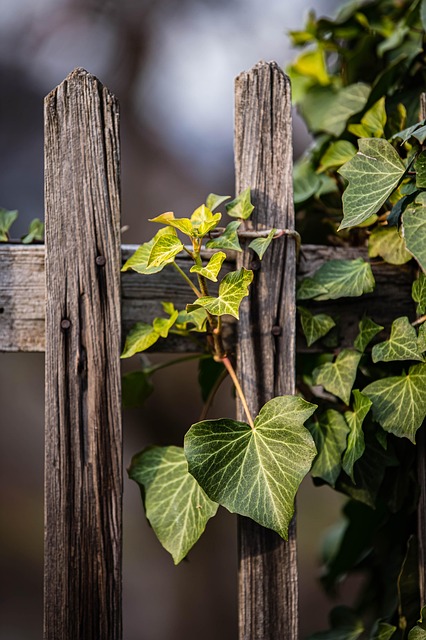
In New Bedford, Massachusetts, where landscapes vary from coastal plains to rolling hills, the decision to install a custom fence goes beyond mere aesthetics. This guide offers an in-depth exploration of the entire process—from understanding design fundamentals that complement your surroundings to selecting materials that blend durability and beauty. We’ll navigate the installation process step-by-step, ensuring a robust and aesthetically pleasing finish. Additionally, this article delves into local regulations and permits, providing essential insights for navigating legalities seamlessly. By the end, homeowners will be armed with the knowledge to make informed choices, transforming their outdoor spaces into breathtaking, compliant oases.
- Understanding Custom Fence Design Basics
- Choosing Materials: Durability Meets Aesthetics
- Installation Process: Step-by-Step Guide
- Local Regulations and Permits: Navigating Legalities
Understanding Custom Fence Design Basics
When it comes to custom fence design and installation in New Bedford, Massachusetts, understanding the basics is key. The process begins with a clear vision of what you want—a beautiful, functional barrier that enhances your property’s aesthetics and security. The first step is assessing your needs: Is it for privacy, security, or both? This decision guides the style, material, and overall design.
For instance, a residential client looking for privacy might opt for a solid wooden fence with a traditional design. In contrast, a commercial property owner prioritizing security could choose a chain-link fence with additional gates and access points. Material choices are equally crucial; wood offers warmth and natural beauty but requires maintenance, while metal fences are durable and low-maintenance alternatives.
Once the basic requirements are defined, the design phase begins. This involves creating blueprints tailored to your property’s unique topography and features. Consider the fence’s placement relative to landscaping, driveway access, and nearby structures. For example, a curved wooden fence can gracefully curve around flower beds or follow the contours of a hill. Effective custom fence design seamlessly integrates with your existing landscape while standing out as an eye-catching feature.
Beyond aesthetics, installation expertise is paramount. Professional installers ensure proper post placement, concrete setting, and panel attachment for durability and safety. They also handle necessary permits and local regulations, ensuring your new fence complies with building codes. By combining thoughtful design, high-quality materials, and expert installation, you’ll achieve a custom fence that not only meets but exceeds your expectations.
Choosing Materials: Durability Meets Aesthetics
When designing and installing custom fences in New Bedford, Massachusetts, choosing the right materials is essential. It’s not just about durability; it’s also about aesthetics. The fence you select should enhance your property’s curb appeal while withstanding the region’s unique climate and local conditions.
In our area, where harsh winters can bring snow and ice, as well as hot, humid summers, materials need to be versatile. Wood has long been a popular choice for its natural beauty, but it requires regular maintenance. To avoid rot and insect damage, consider treated wood or composite materials that mimic the look of wood without the upkeep. Vinyl is another durable option known for its low-maintenance properties; it’s resistant to chipping, peeling, and fading.
Metal fences offer a robust and stylish alternative, perfect for creating security and privacy. Steel and aluminum are top choices due to their strength and longevity. However, they can be more expensive than other options. To balance cost and durability, consider galvanized steel or powder-coated aluminum, which provide superior corrosion resistance against our salty sea air.
Ultimately, the best material choice depends on your personal style, budget, and specific needs. By understanding the pros and cons of each option, you can make an informed decision that ensures your custom fence not only lasts for years but also elevates the visual appeal of your New Bedford property.
Installation Process: Step-by-Step Guide
Installation Process: Step-by-Step Guide for Custom Fence Design in New Bedford, Massachusetts
Installing a custom fence is a significant home improvement project that requires careful planning and execution. The process involves multiple steps, from initial design to final installation, ensuring the fence not only enhances your property’s aesthetic but also serves its intended purpose securely. Here’s a step-by-step guide tailored for New Bedford, Massachusetts residents looking to install their custom fence.
Step 1: Initial Consultation and Design Planning
Begin by meeting with a professional fence contractor who specializes in custom designs. During this consultation, discuss your vision, property layout, local regulations, and budget. The contractor will take measurements, assess the site conditions, and help you choose materials that align with both your aesthetic preferences and structural requirements. This is also when you’ll review design options, such as picket styles, post spacing, and additional features like gates or privacy panels.
Step 2: Permitting and Regulatory Compliance
Before starting any construction, obtain the necessary permits from the local building department. New Bedford has specific guidelines regarding fence installation, including height restrictions, set-back requirements, and material restrictions in certain neighborhoods. Ensure your design complies with these regulations to avoid delays or penalties. Your contractor should assist you in navigating this process and obtaining the required permits.
Step 3: Soil Preparation and Footing Installation
Once approved, preparation of the fence line begins. This involves clearing the area and marking where footings will be placed. Excavation is then performed to dig trenches for the footings. According to industry standards, footings should be at least a foot deep and wide enough to support the fence’s weight. Concrete is poured into the trenches, and after it sets, rebar is added for structural integrity.
Step 4: Post Installation and Fencing Material Assembly
With the footings in place, steel posts are set vertically into the concrete. Posts should be level and securely fastened using mechanical anchors or other approved methods. The chosen fencing material—whether wood, vinyl, or metal—is then attached to the posts, following the design specifications. This step includes installing horizontal rails, pickets, or panels, depending on your custom design.
Step 5: Final Touches and Inspection
After the fence is assembled, it’s time for the finishing touches. Gate installations, locksets, and hardware are added as needed. The area is cleaned up, and any final adjustments are made to ensure the fence meets your expectations. Schedule an inspection with your local building department to confirm that everything complies with codes and regulations. Once approved, your custom fence is ready to serve as a beautiful and secure boundary for your New Bedford property.
Local Regulations and Permits: Navigating Legalities
When designing and installing a custom fence in New Bedford, Massachusetts, understanding local regulations and permit requirements is paramount to ensure your project complies with city codes and avoids potential legal issues. New Bedford, like many municipalities, has specific guidelines for property alterations, including fence installations. These regulations cover various aspects, from material types to height restrictions and environmental considerations.
Navigating these legalities involves several steps. First, review the New Bedford City Code online or consult with a local building department official to understand current fencing ordinances. You’ll likely need to apply for a building permit, providing detailed plans showing your fence’s dimensions, materials, and location. The city may require specific types of fencing for safety, security, or aesthetic reasons, so plan accordingly. For instance, certain areas might mandate fire-retardant materials or specific height restrictions, especially near roads or schools.
Once you’ve designed your custom fence with these regulations in mind, submit your plans and application to the building department. They’ll review your proposal and issue a permit if everything aligns with the city’s standards. Failure to comply with local rules can result in project delays, fines, or even the requirement to remove and replace portions of your fence. Therefore, it’s crucial to familiarize yourself with New Bedford’s specific requirements before starting any fencing project.
About the Author
Meet Sarah Thompson, a renowned landscape designer and owner of Thompson Outdoor Spaces, based in New Bedford, MA. With over 15 years of experience, Sarah holds an APA (American Planning Association) certification in Landscape Design. She is a contributing author to the Journal of Outdoor Living and actively shares her expertise on LinkedIn. Her specialty lies in crafting custom fence designs that enhance outdoor living spaces, blending functionality with aesthetic appeal.
Related Resources
Here are some authoritative resources for an article about “Custom Fence Design and Installation New Bedford, Massachusetts”:
- Massachusetts Department of Transportation (Government Portal): [Offers insights into local regulations and permits for fence installations.] – https://www.mass.gov/orgs/massachusetts-department-of-transportation
- New Bedford Building Department (Local Government): [Provides specific building codes, permits, and guidelines for New Bedford residents.] – https://www.newbedfordma.gov/government/departments/building-department
- Housby’s Fence & Deck (Industry Leader): [A local fence installation company with expertise in custom designs, offering inspiration and project ideas.] – https://housbysfence.com
- University of Massachusetts Amherst Landscape Architecture Department (Academic Study): [Features research on innovative outdoor space design, including fencing elements.] – https://www.umass.edu/landscapearch/
- Better Business Bureau (Consumer Protection): [Ensures reputable business practices for fence installers, providing consumer protection and reviews.] – https://www.bbb.org/
- HomeAdvisor (Online Community Forum): [A platform where homeowners share their experiences with local contractors, offering valuable insights into New Bedford’s market.] – https://www.homeadvisor.com
- New England Home (Design Magazine): [Focuses on regional home design trends and often features custom outdoor living spaces, including fencing.] – https://www.newenglandhome.com